
00About the firm
Complex enterprises divide modernization into pieces. The outcome still has to function as a whole.
Strategy, finance, operations, architecture, engineering, data, vendors, and business units each see part of a consequential technology decision.
Each can make a sound decision within its own remit. The combined result can still be wrong for the enterprise.
Talbot West helps executives keep the enterprise objective intact across those boundaries. We connect strategic judgment with architecture, engineering, and operating reality so that what gets funded, designed, and implemented remains one coherent answer.
The thesis
The quality of the outcome depends on how well the pieces function together, not how well each piece performs alone.
Four commitments
01 / Enterprise judgment
Optimize the whole, not the component
A positive return does not make an investment the best use of capital. A technically elegant architecture does not make it right for the business. A strong local decision can weaken the enterprise.
We evaluate choices against the larger objective, competing uses of resources, dependencies, and downstream consequences.
02 / Integrated expertise
Combine the perspectives the decision actually requires
Finance sees economics. Operations sees operating constraints. Engineering sees technical feasibility. Architecture sees dependencies and system consequences. Governance sees authority and risk.
We determine which perspectives matter, reconcile where they conflict, and combine them into one decision rather than passing the decision from specialty to specialty.
03 / Independent mechanism choice
Select the mechanism after defining the required outcome
We do not resell software or depend on a particular technology being selected.
AI, conventional software, integration, process redesign, organizational change, custom engineering, an existing platform, another provider, delay, or non-consumption can all be valid answers.
The mechanism earns its place through the economics and requirements of the situation.
04 / Continuous accountability
Keep reasoning connected to execution
Implementation creates evidence.
Integration exposes dependencies. Engineering reveals technical constraints. Adoption tests operating assumptions. New information changes economics. Technology changes the available choices.
We keep the original objective, assumptions, and decision logic connected to execution so that new evidence can change the answer when it should.
Talbot
Hold the trail
The Talbot was a hunting hound known for finding and holding a scent across difficult terrain.
That idea fits how we operate. Complex decisions accumulate competing evidence, specialized perspectives, and changing conditions. We establish the relevant thread and keep it intact as the decision moves through the enterprise.
West
Operate at the frontier
Technology changes faster than normal investment cycles.
New capabilities alter what is possible. New economics alter what is worth doing. Existing commitments constrain future choices.
Executives still have to commit capital and organizational capacity before uncertainty disappears. We help them make those commitments with better information, stronger architecture, and more useful options when conditions change.
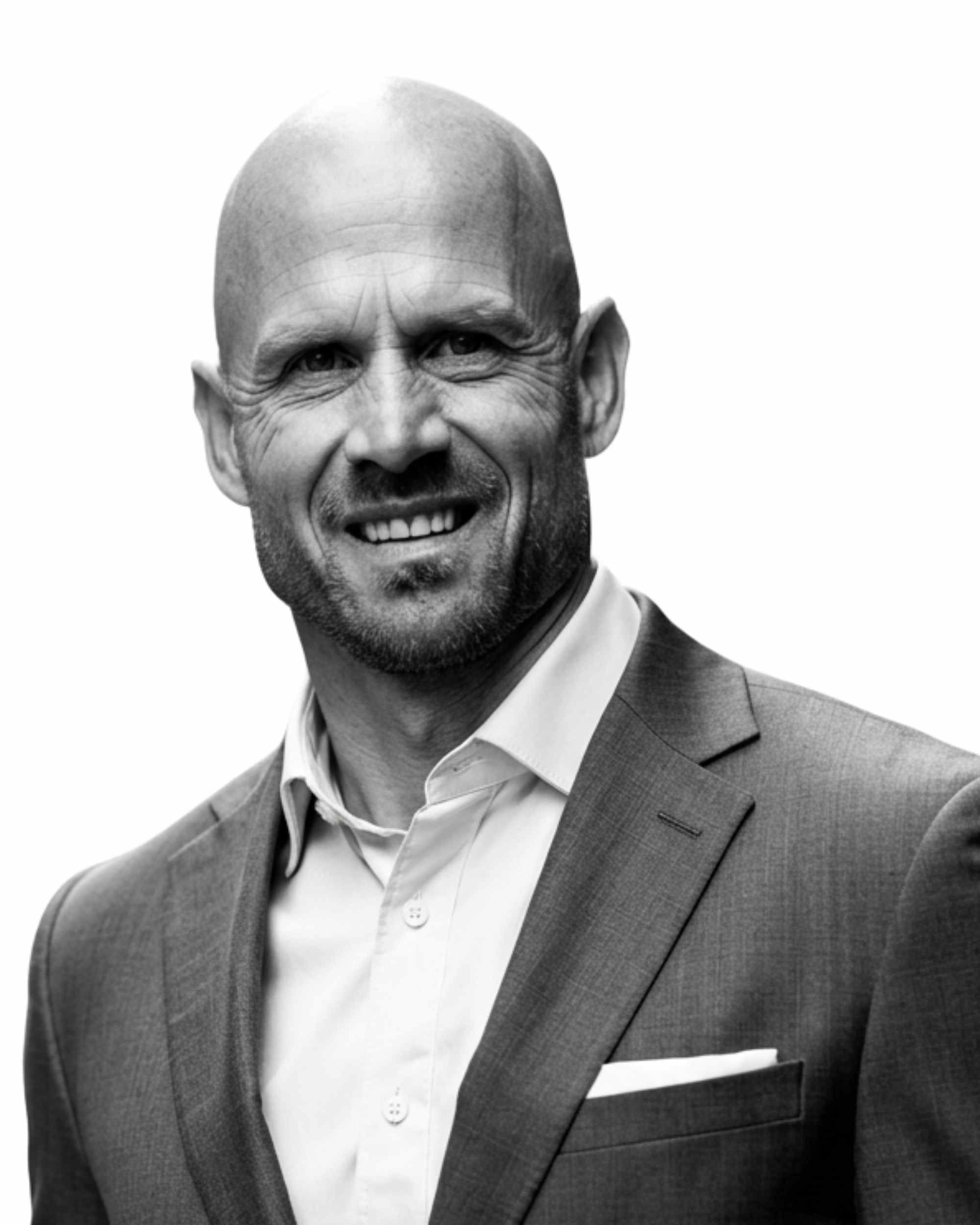
CEO
Jacob Andra
Leads Talbot West's approach to consequential decisionmaking, modernization strategy, capital allocation, sequencing, and enterprise-level synthesis.

SVP, AI solutions architecture
Stephen Karafiath
Leads solutions architecture, engineering, and data, grounding strategic choices in technical feasibility, system dependencies, implementation economics, and operating reality.
Team
Talbot West combines senior expertise across strategy, architecture, engineering, AI, data, governance, operations, and organizational implementation.
We assemble the expertise required by the enterprise objective rather than defining the objective around one specialty.
One rule governs everything Do right by the client, and leave them better off than they would have been without us.
Where to start
You do not need to arrive with a predetermined technology, provider, or implementation plan.
You may be allocating modernization capital, choosing among competing initiatives, reconsidering an architecture, introducing a new capability, correcting an implementation already underway, or deciding whether a proposed investment deserves to exist at all.
We can enter wherever the consequential choice currently stands and connect the decisions required to produce the strongest enterprise result.